Pacific Compounds for Daily Wellness
Explore natural ingredients from the Pacific region supporting joint flexibility and comfortable motion
Pacific Natural Elements for Joint Mobility
The Pacific region has a rich tradition of utilizing natural compounds and botanical nutrients. Many plant-based and marine-sourced elements have been part of traditional island diets for generations, contributing to active lifestyles and everyday wellness.
This educational resource explores various Pacific and tropical compounds that have been integrated into local nutrition and daily practices across Indonesia and surrounding regions.
Our focus is informational—we explain the origins, traditional uses, and scientific understanding of these compounds without making claims about therapeutic benefits.
Nutrition from Island & Sea Sources in Daily Motion
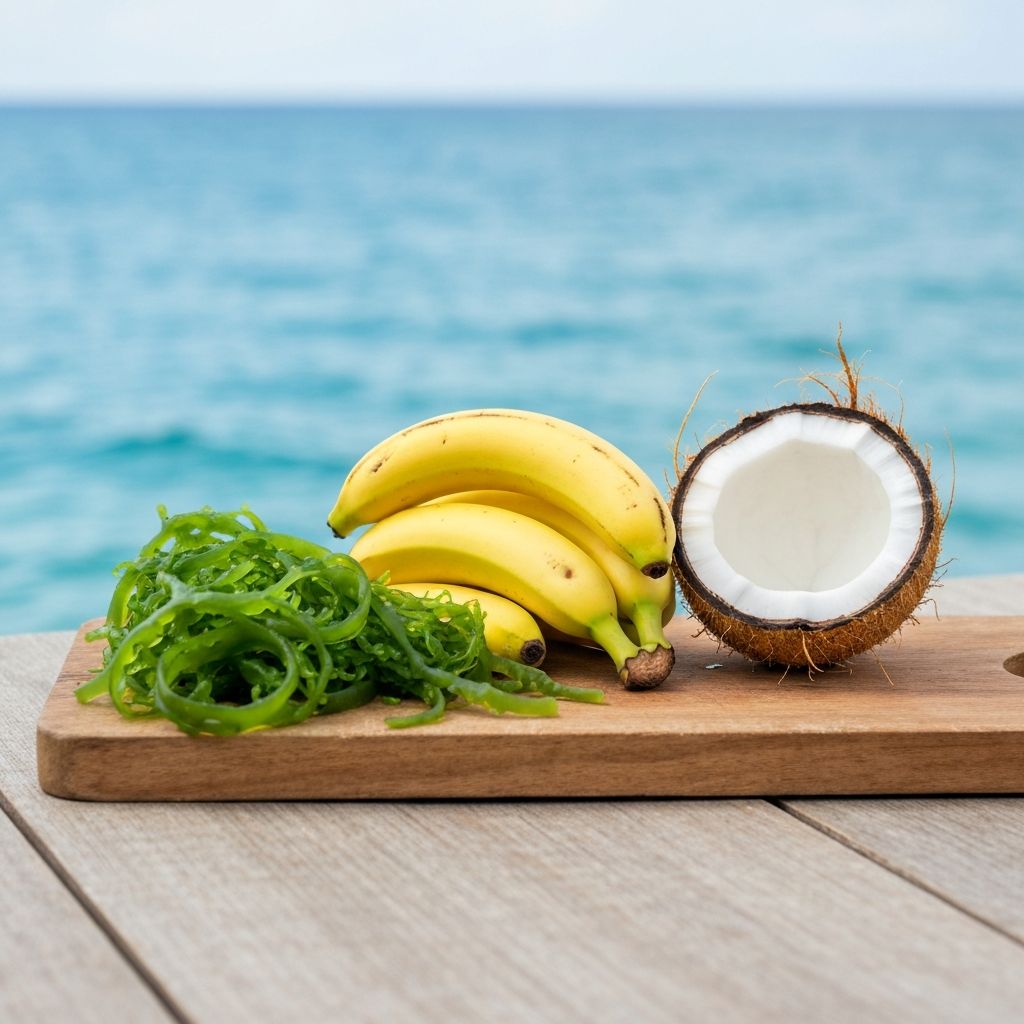
Island communities in the Pacific have developed diets incorporating both marine and botanical elements. These include seaweed varieties, fish sources, tropical roots, and plant-based ingredients rich in various nutrients.
Active island life has traditionally been supported by nutrition from local foods—coconut products, tropical fruits, marine proteins, and botanical elements native to the region.
Understanding how these foods contribute to local dietary practices provides insight into wellness approaches developed over centuries of island living.
Key Pacific Compounds Overview
The Pacific region and tropical zones produce various compounds that have become subjects of nutritional research. This overview provides educational information about their origins, traditional contexts, and scientific understanding.
Each compound below is part of traditional diets and modern nutritional discussion, valued for their presence in food sources and their role in diverse, balanced nutrition.
Glucosamine
Found in marine sources and shellfish shells, glucosamine is a naturally occurring compound studied for its role in joint structure and comfort.
Chondroitin
Present in marine animal tissues and cartilage, chondroitin is part of traditional seafood-based diets across Pacific regions.
Collagen Peptides
Derived from fish and marine sources, collagen peptides are bioavailable forms used in modern nutritional science.
MSM (Methylsulfonylmethane)
A naturally occurring sulfur compound found in tropical foods and sea vegetables, part of island nutrition traditions.
Curcumin
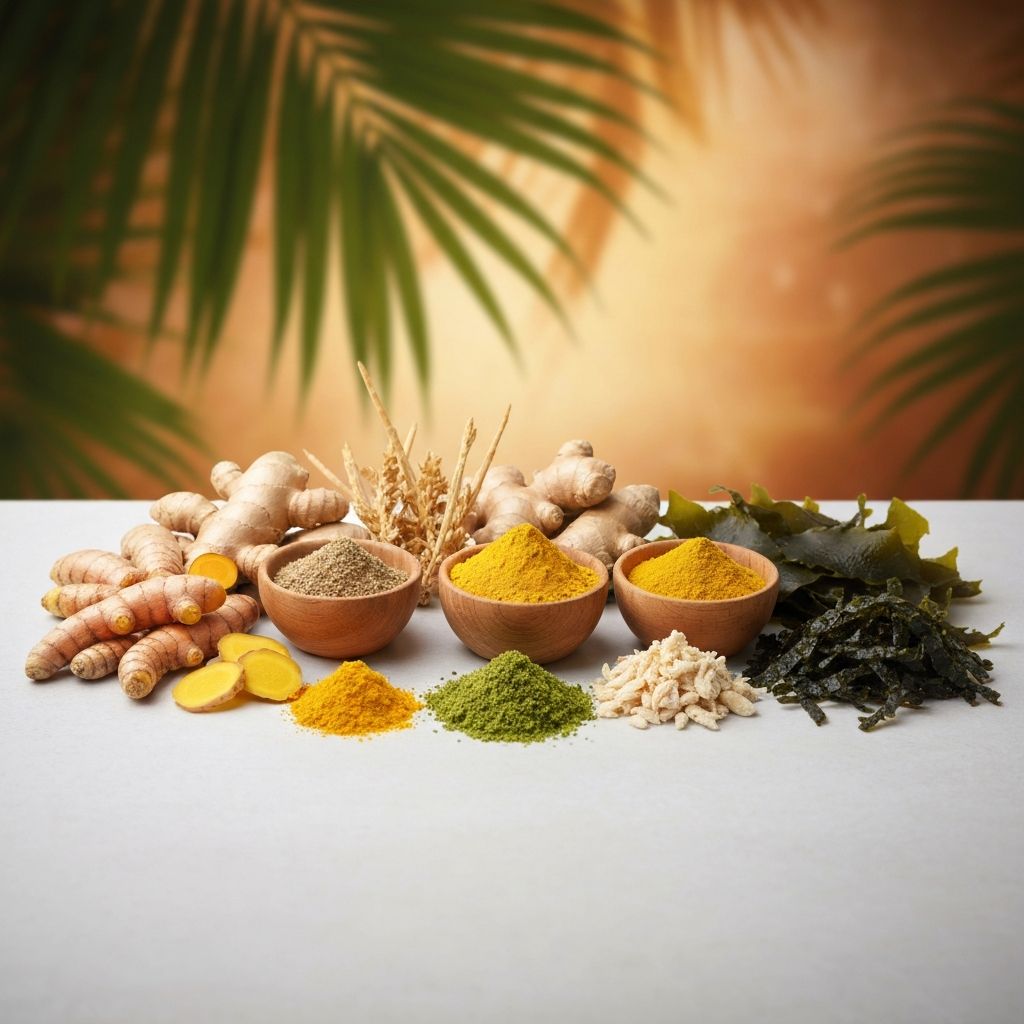
The active constituent of turmeric, widely cultivated in Pacific regions and integral to traditional island cooking.
Herbal Elements
Ginger, boswellia, pandan, and tamarind are botanical ingredients deeply rooted in Pacific and Southeast Asian traditions.
Glucosamine from Ocean & Island Sources
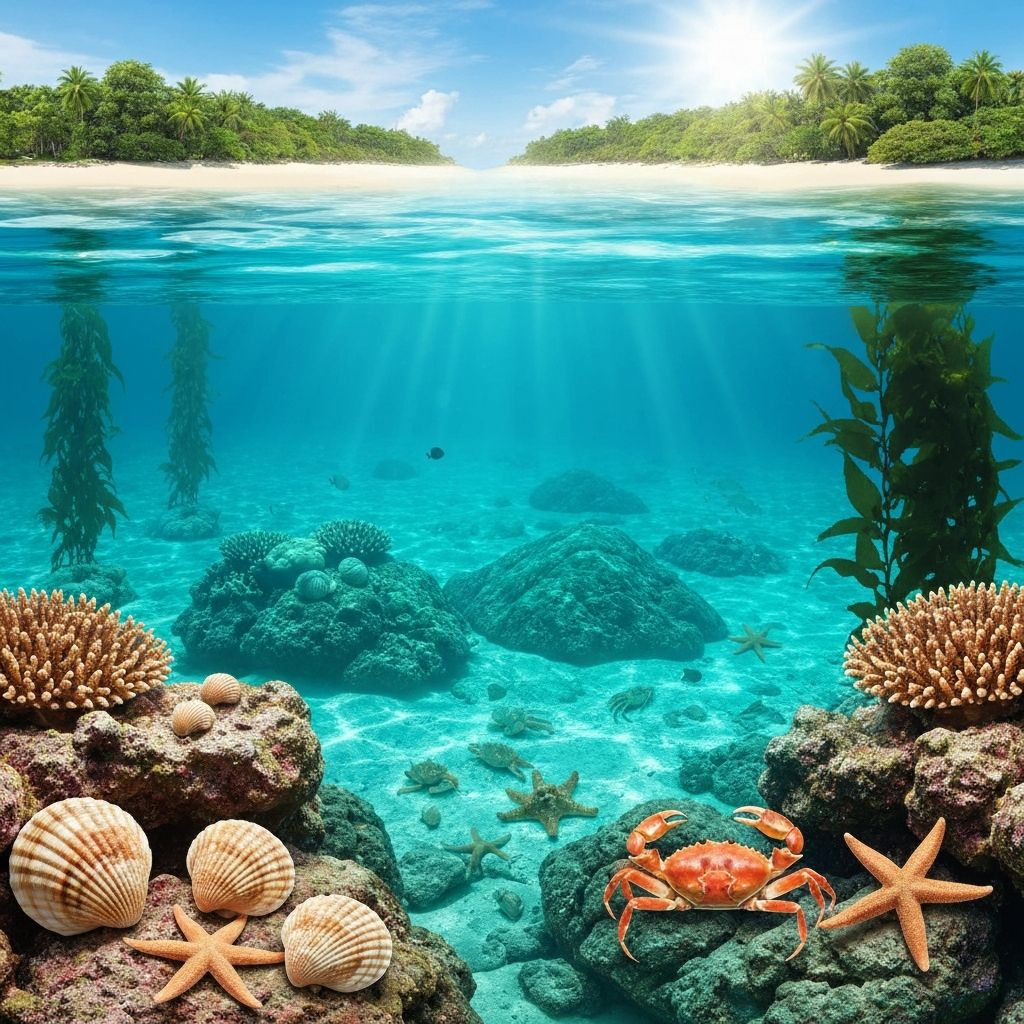
Glucosamine is naturally present in marine organisms, particularly in shellfish and crustacean shells. These marine sources have been part of Asian cuisine and traditional nutrition for millennia.
In modern nutritional science, glucosamine derived from marine sources is studied for its bioavailability and role in supporting joint structure and comfort during active motion.
The Pacific seafood tradition provides abundant natural sources of this compound, making it a subject of both culinary and nutritional interest.
Chondroitin in Marine-Inspired Diets
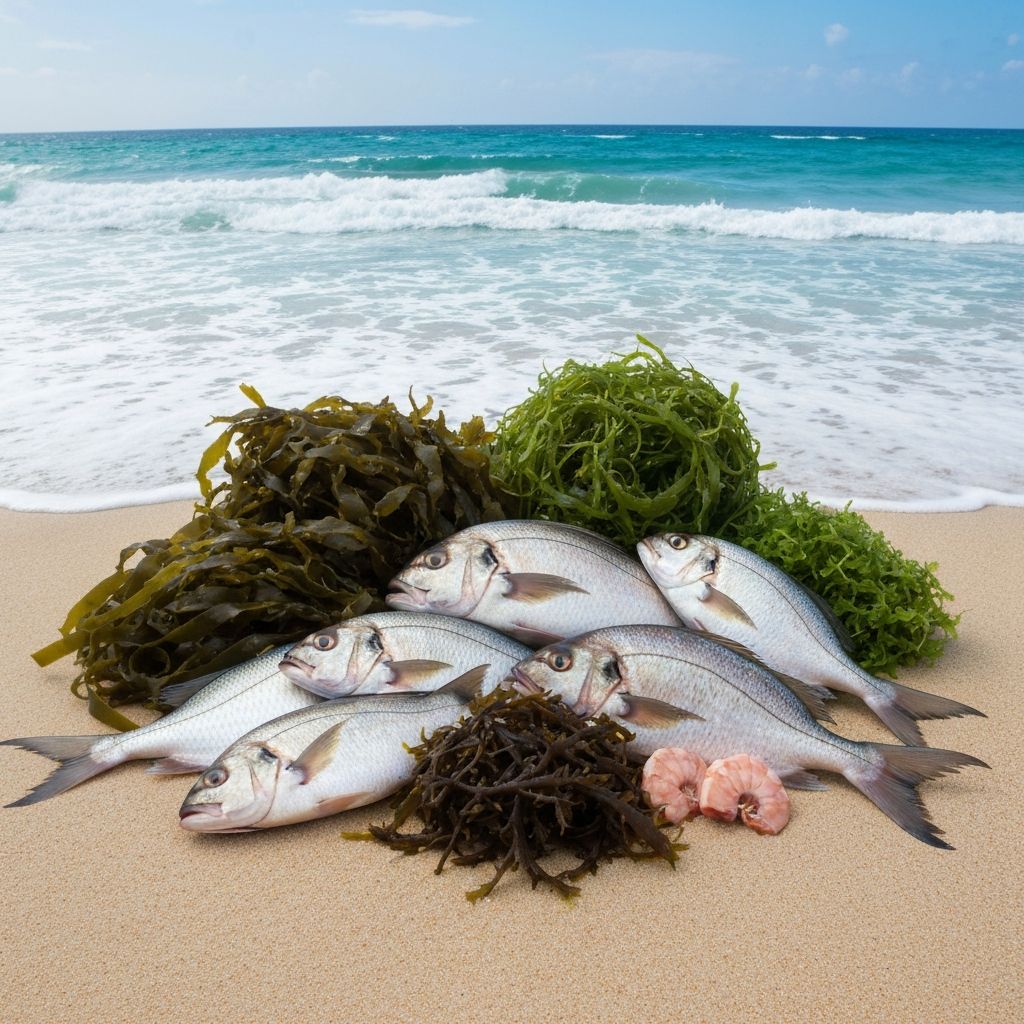
Chondroitin is found in cartilaginous tissues of marine animals and has been part of traditional seafood-based nutrition in Pacific communities.
The compound is studied for its presence in joint structures and its role in supporting comfortable motion through daily activities.
Traditional island diets incorporate fish stocks, bone broths, and marine preparations that naturally contain chondroitin, making it an integral part of local nutritional wisdom.
Collagen Peptides from Fish Origins
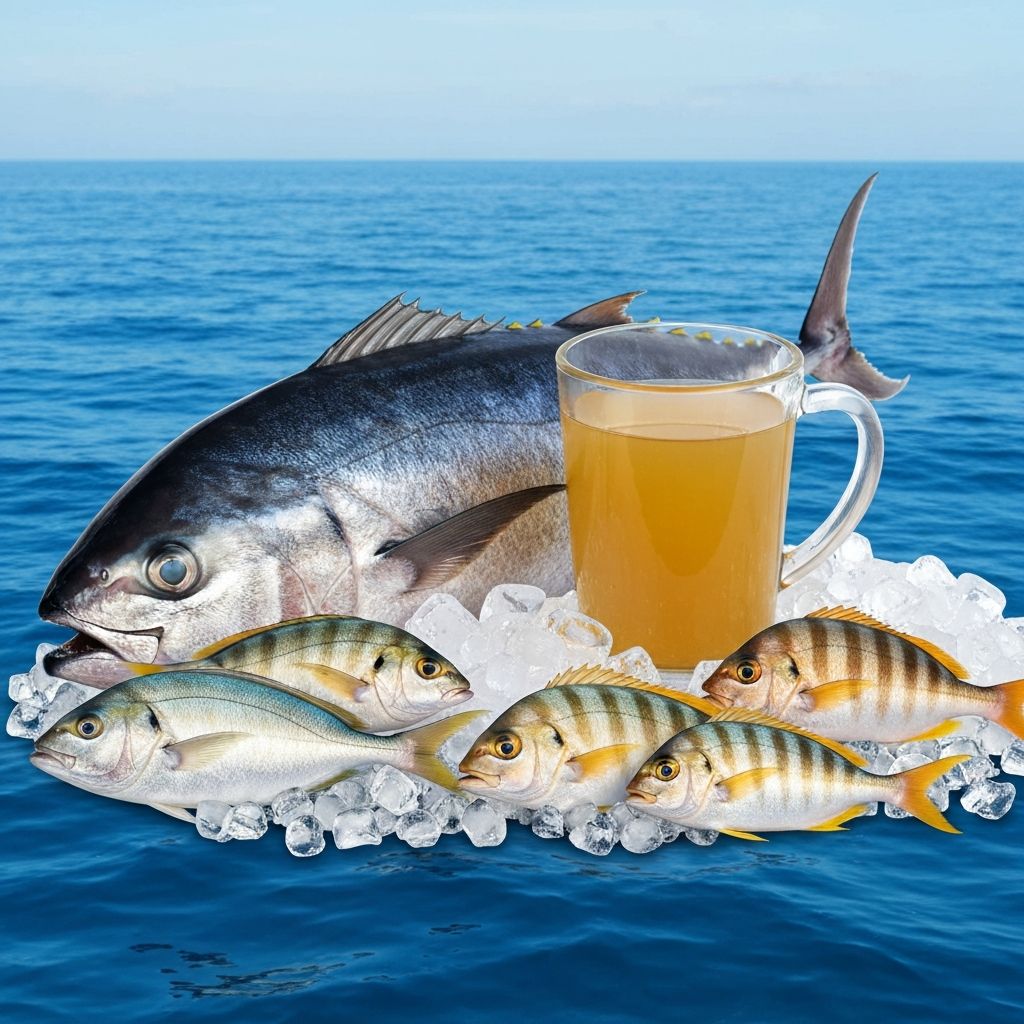
Fish collagen is abundant in marine sources—from fish skins to bones and connective tissues. Collagen peptides are the bioavailable form used in nutritional applications.
Type II collagen from fish sources has gained attention in nutritional science for its role in joint comfort and structural support.
Pacific fishing traditions provide sustainable sources of marine collagen, making fish-based nutrition a subject of ongoing scientific interest.
MSM in Tropical & Sea Foods
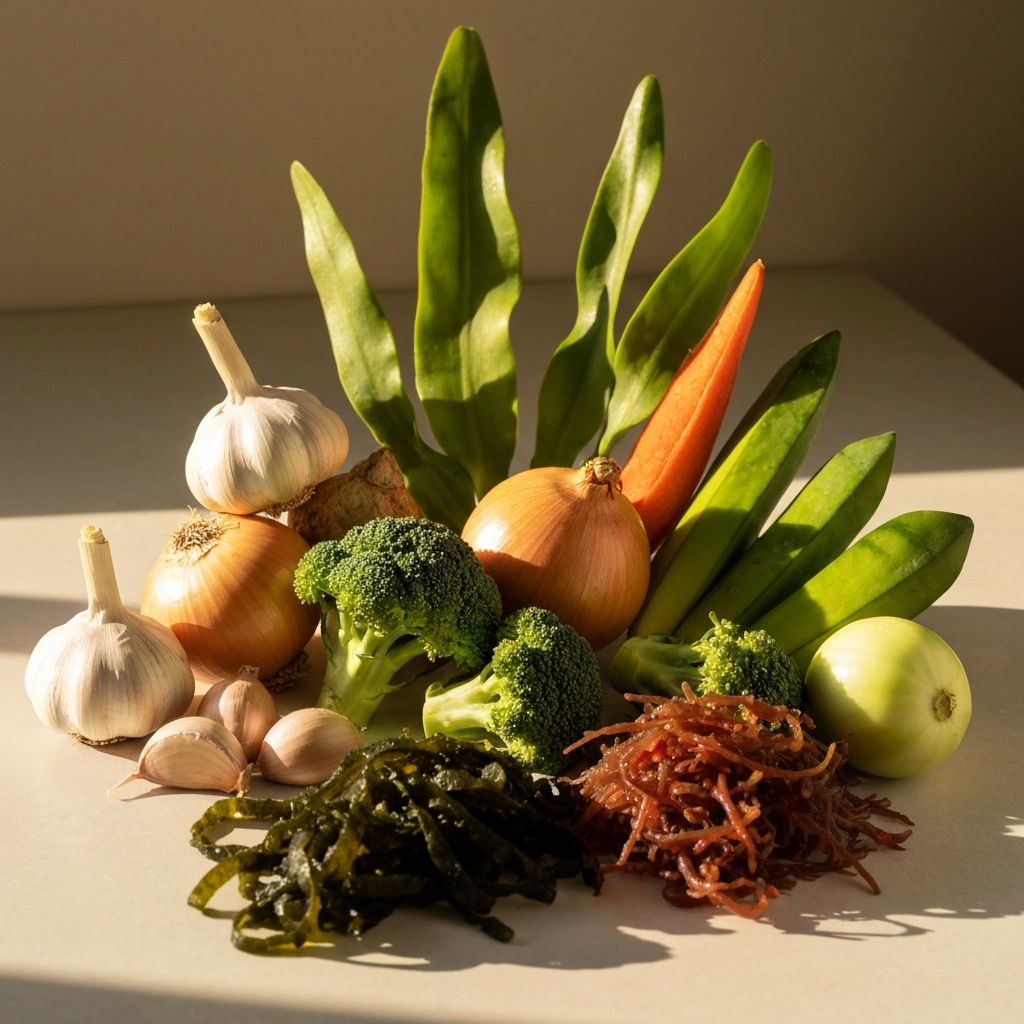
MSM (Methylsulfonylmethane) is a naturally occurring sulfur compound found in sea vegetables, tropical plants, and certain foods like garlic and cruciferous vegetables.
The compound has been studied for its role in supporting flexible motion and comfort, particularly in the context of daily activity.
Island communities have traditionally consumed MSM-rich foods as part of active, plant-based nutrition supporting outdoor island living.
Curcumin from Pacific Turmeric
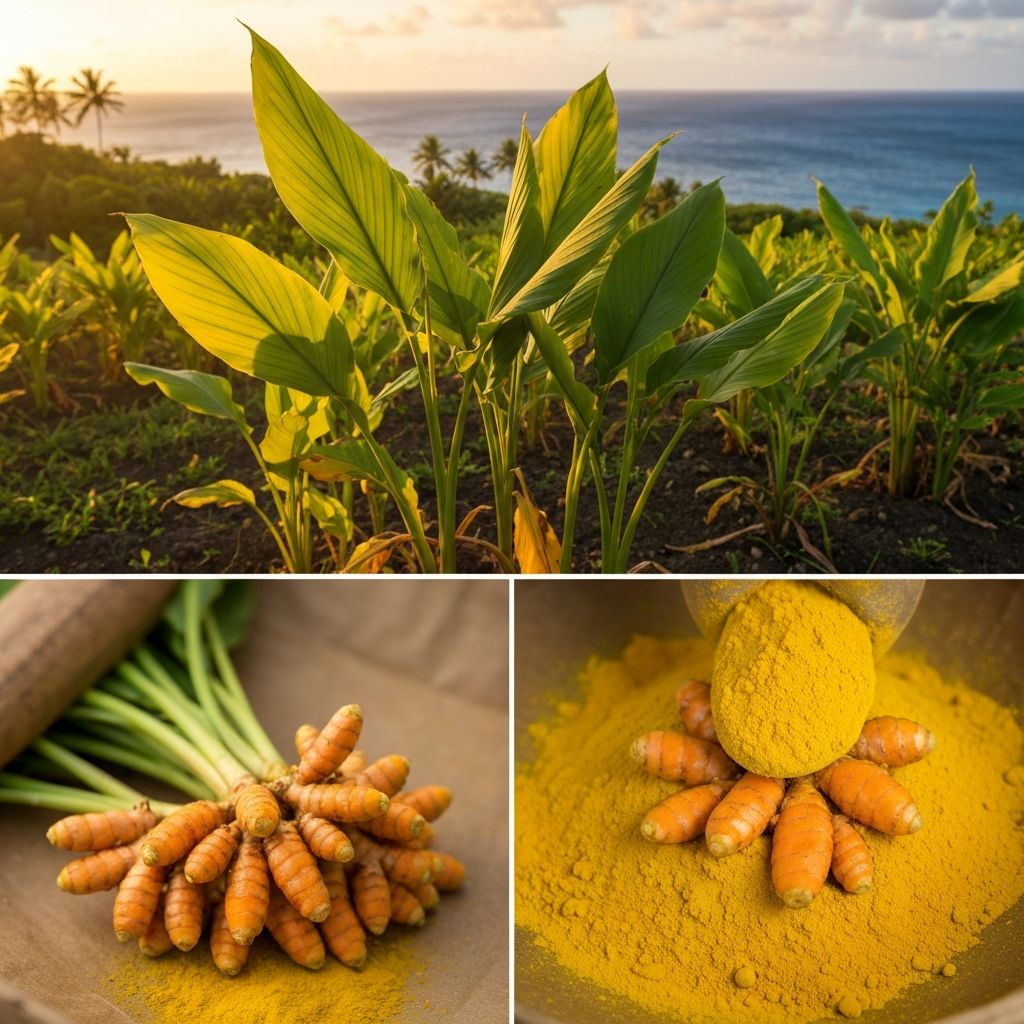
Turmeric grows abundantly in the Pacific region and has been a cornerstone of island and Asian cuisine for thousands of years. Curcumin is the bioactive compound responsible for turmeric's golden color.
Modern scientific interest in curcumin stems from its presence in traditional diets and its role in supporting comfort and wellness in active populations.
The spice is not only culinary but also nutritionally significant, making turmeric one of the most studied botanical compounds from the Pacific region.
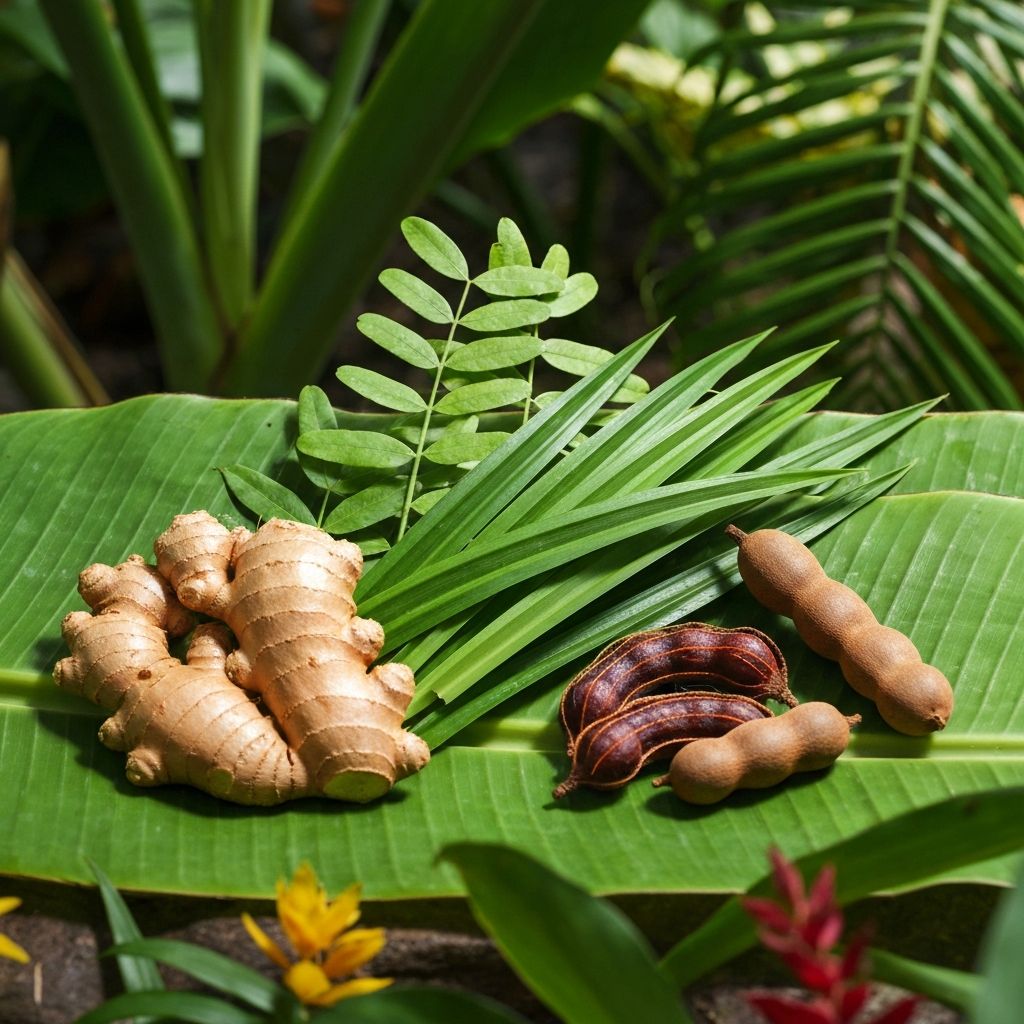
Ginger, Tamarind, Pandan & Boswellia Basics
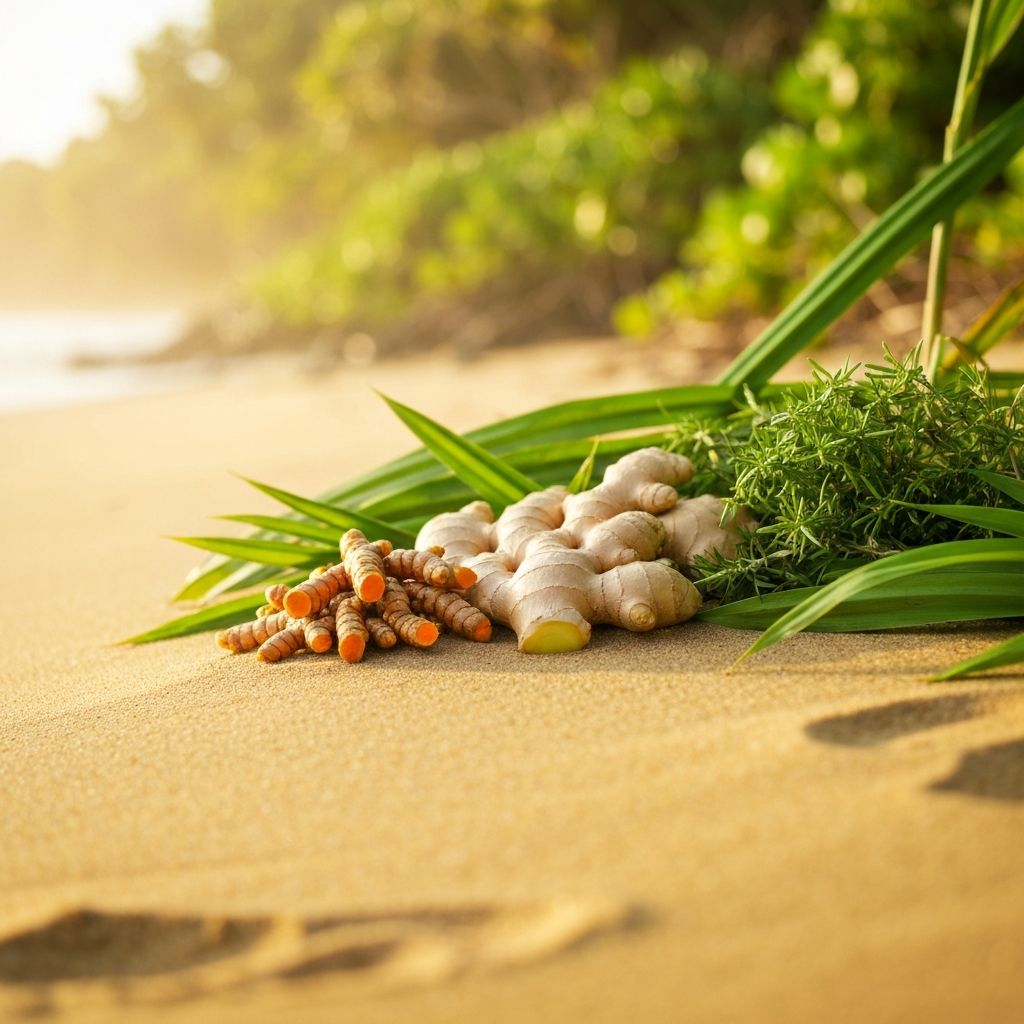
Ginger: A rhizome widely cultivated across Pacific regions, used in cooking and traditional remedies for centuries, studied for its bioactive compounds.
Tamarind: A tropical fruit with acidic, tangy flavor, native to tropical zones and integrated into island cuisines and nutritional traditions.
Pandan: An aromatic plant native to Southeast Asia, used for flavor and traditionally valued in local wellness practices.
Boswellia: A resin from tree bark, traditionally used across Asia and subject to modern nutritional research for supporting comfort in daily motion.
Pacific Natural Compounds for Men and Women
Natural compounds from Pacific and tropical sources supporting mobility and comfortable motion, appropriate for diverse dietary approaches and active lifestyles.
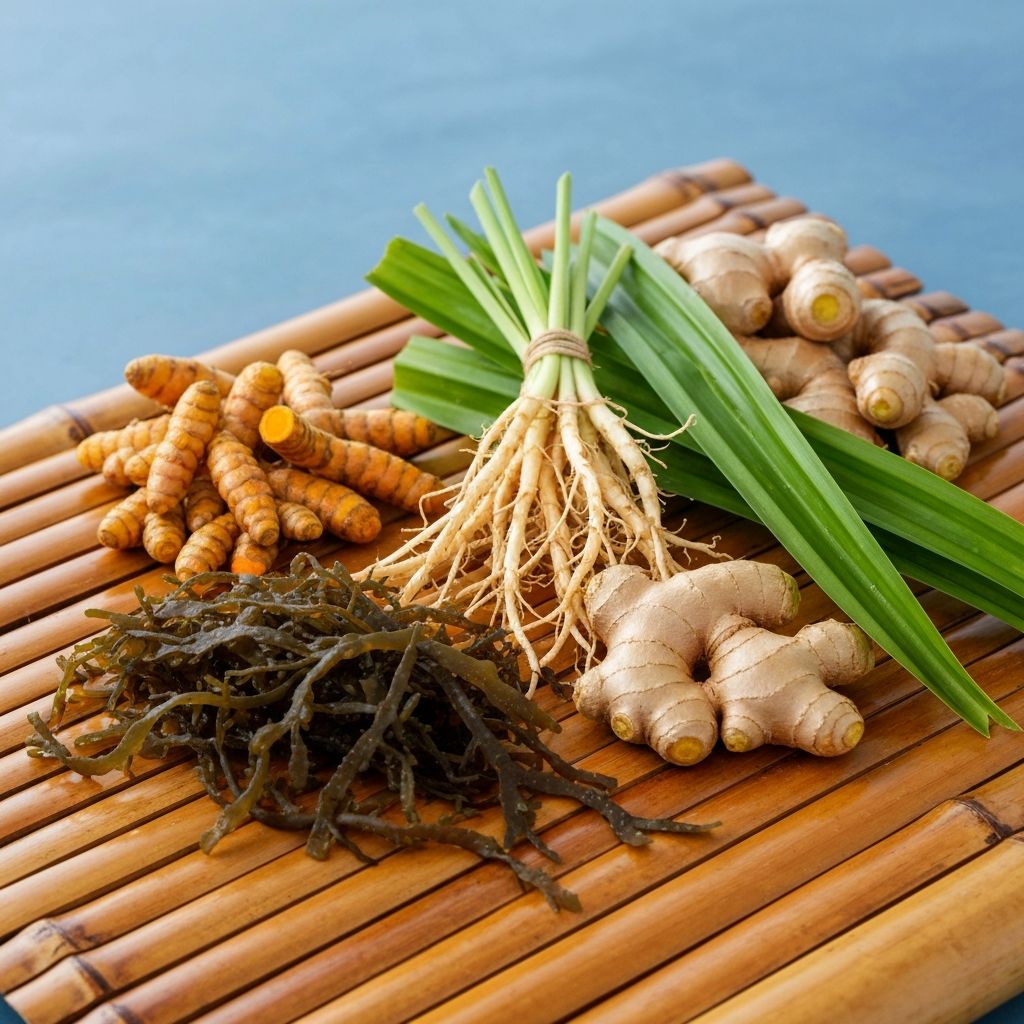
Marine & Root Compounds
Fresh natural roots and marine elements supporting diverse nutritional needs.
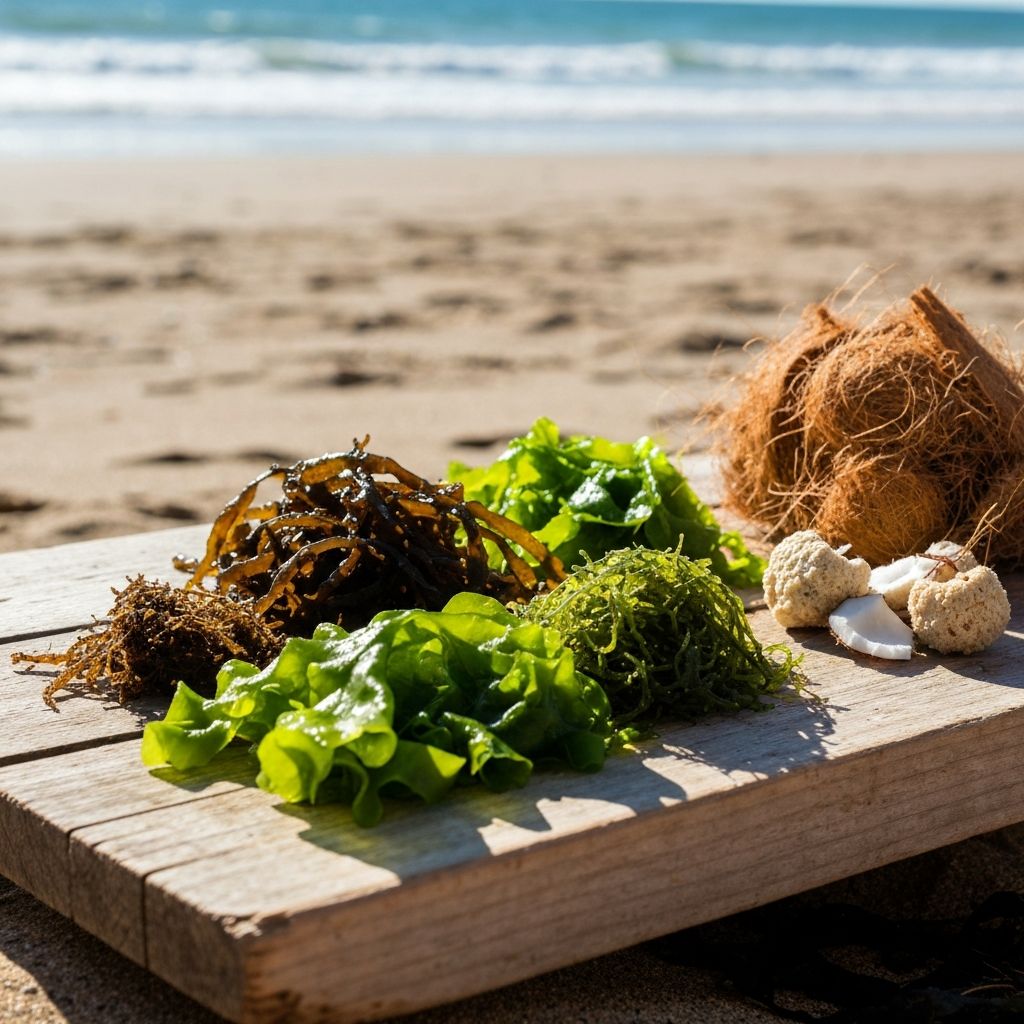
Seaweed & Ocean Plants
Sustainable Pacific seaweed and marine botanical ingredients for natural wellness.
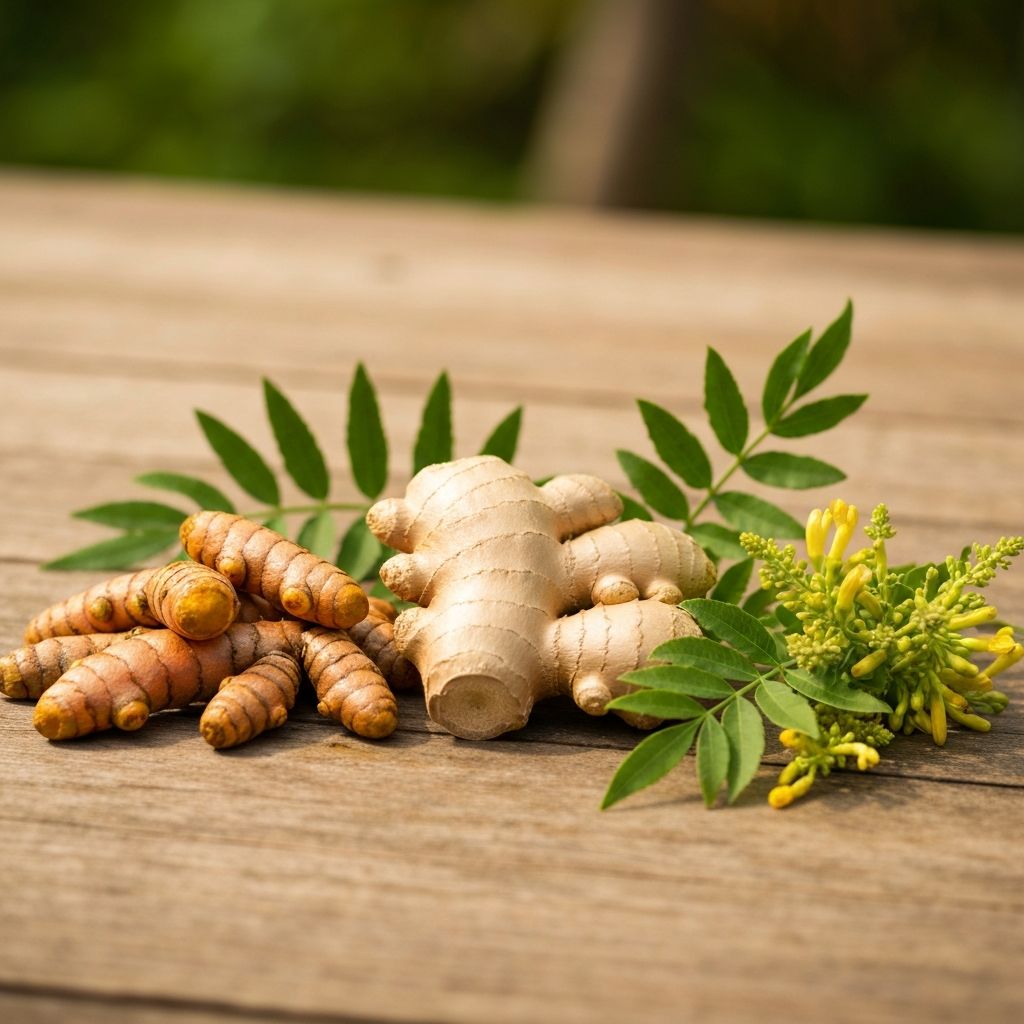
Tropical Herb Collection
Golden turmeric, fresh ginger, and traditional botanical compounds from Pacific islands.
Frequently Asked Questions
This is an educational resource explaining natural compounds and botanical ingredients from the Pacific region. We provide informational content about their origins, traditional uses, and scientific context without making therapeutic claims.
This resource provides educational information only. Safety and suitability vary by individual. We strongly recommend consulting with a healthcare professional before incorporating any new compounds or supplements into your routine.
The compounds discussed originate from Pacific and tropical regions, particularly Indonesia and surrounding islands. They include marine sources like fish and seaweed, as well as plant-based ingredients like turmeric, ginger, and boswellia that grow naturally in tropical climates.
Many of these compounds have been incorporated into traditional island cuisines and wellness practices for centuries. They are part of local dietary traditions and cultural heritage in Pacific communities.
No. This is purely educational content explaining natural compounds and their traditional contexts. It does not constitute medical advice, diagnosis, or treatment recommendations. Always consult healthcare professionals for personal health decisions.
Individual circumstances vary significantly. Before using any compounds or supplements, especially with existing health conditions or medications, consult a qualified healthcare professional who understands your specific situation.
Important Context & Boundaries
Educational Information Only
This website provides educational and informational content about Pacific natural compounds and botanical nutrients. The information presented does not constitute personal recommendations, medical advice, diagnosis, or treatment.
Every individual has unique health circumstances, dietary needs, and potential considerations. The content here is general educational material exploring the topic without personalized recommendations.
No Therapeutic Claims
We do not claim that any compounds mentioned cure, treat, mitigate, prevent, or manage any disease or health condition. Individual responses to dietary compounds vary significantly based on genetics, lifestyle, and overall health context.
The presentation of scientific information does not imply therapeutic benefit for any individual. This is descriptive content about traditionally used ingredients, not prescriptive guidance.
Dietary Diversity & Individual Differences
Nutritional needs and appropriate dietary choices differ significantly between individuals. What is suitable for one person may not be appropriate for another due to allergies, sensitivities, medications, health conditions, or other individual factors.
This resource explores one aspect of nutritional science—Pacific compounds—without suggesting universal applicability or individual suitability.
Healthcare Professional Consultation
Not a medicinal product. Consult a healthcare professional before use.
Any decisions about dietary supplements, nutritional changes, or wellness practices should be made in consultation with qualified healthcare providers who understand your personal health profile, medications, and individual circumstances.
Explore Further
We've provided educational information about Pacific natural compounds and their traditional contexts. For specific questions about your individual health or nutritional needs, we recommend consulting with healthcare professionals or nutritionists.
Contact Information
Get in Touch
Have questions about the educational content on this site? We'd love to hear from you. Please fill out the form and we'll respond as soon as possible.
PacificFlexLogic
Address:
Jalan Imam Bonjol No. 99
Denpasar, Bali 80236
Indonesia
Phone:
+62 361 284 9731
Email:
[email protected]